
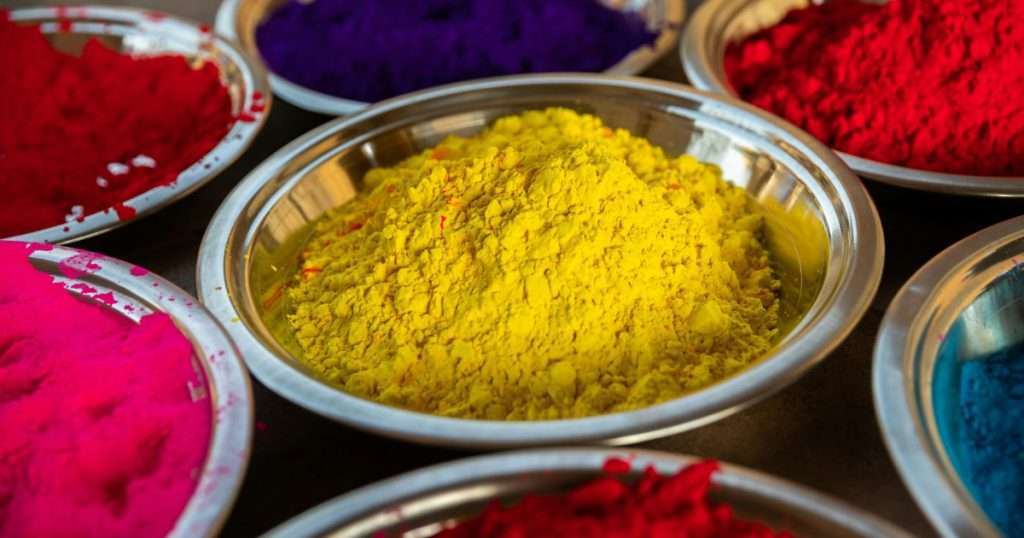
Did you know that there are different types of dyes for dyeing different yarn fibers?
You probably already know that there are a lot of hand dyeing methods for achieving different outcomes. But maybe you didn’t know or didn’t realize that different dyes are designed to work with specific yarn fibers.
Learning to choose a yarn fiber suited for the type of dye you want to use is key to successfully hand dyeing yarn.
In this post, I’ll talk about the three different types of dyes. Specifically, Acid Dyes, Fiber Reactive Dyes, and Synthetic Fiber Dyes. I’ll discuss each dye type and the yarn fiber types they each bond well with. In short, I’ll teach you how to choose yarn for the different types of dyes so you can dye yarn with confidence.
Let’s jump right in!
Table of Contents
Dye Type 1: Acid Dyes
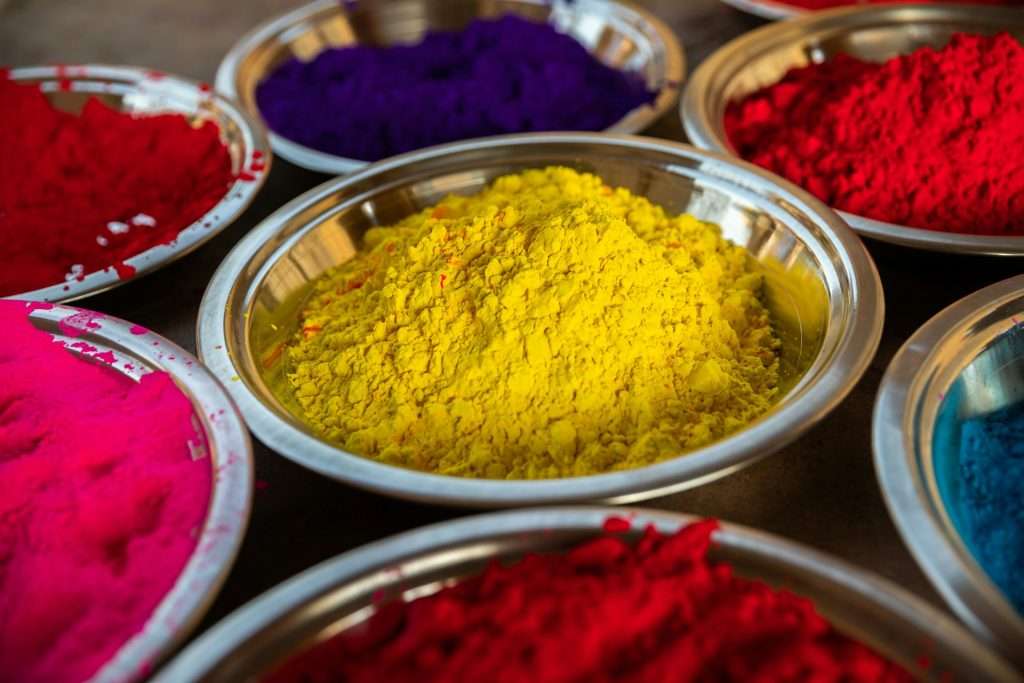
Acid dyes are the most commonly used types of dyes, especially when it comes to hand dyeing yarn. This synthetically created type of dye comes in a concentrated powder dye form. It then gets mixed with hot water to create the dye stock solution.

During the dye process, heat and an acid (citric acid or vinegar) are applied to the yarn. The combination of heat and acid creates a permanent bond which permanently dyes the yarn.
The “acid” in this type of dye relates to the acid component that bonds the dye to the yarn. It doesn’t mean that the acid dyes are caustic and dangerous. However, use safety precautions when using any powdered dye.

Acid dyes are used to dye protein fibers. These types of animal fibers include wool (superwash yarn and non-superwash yarn), alpaca, silk yarn, angora, mohair, etc.. Additionally, acid dyes can dye nylon yarn.
Even though nylon is a man-made fiber, it’s considered an alternative to silk. This is good news if you want to dye wool sock blanks or yarn hanks that are a fiber blend of wool and nylon.

(which are very hard to photograph because they’re such loud colors)
dharma trading dyes in Primary colors: Caribbean blue, brilliant yellow, and Deep Magenta
Properties of Synthetic Acid Dyes:
- Lightfast
- Water Soluble
- Long-lasting
- Color Control
- Can produce pale or vibrant colors
- Versatile with wide range of protein-based fibers
- Good Colorfastness (bright colors may bleed)
If you want to try acid dyeing, I’ve included some dye recommendations below. Each brand has a multitude of colors to choose from. If you think it’s something you’ll want to do professionally, I recommend getting the primary colors to make your own custom colors.
You can find Jacquard’s acid dye instructions here and Dharma’s acid dye instructions here.
Acid Dyes for Wool Fibers:
Non-Toxic Acid Dyes
Food coloring dye, Kool-Aid dye, and even Easter Egg dye kits fall under the Acid Dyes category. Rit now has an All-Purpose Dye that’s designed to dye wool and other animal fibers. It’s available in both liquid dye and powdered dye forms.

These non-toxic fabric dye options are great for first attempts, kitchen dyeing, or dyeing yarn with children. Non-toxic acid dyes are also available at your local grocery store.
Kool-Aid, however, will not dye cotton yarn (cellulose fibers) or acrylic yarn (synthetic fibers) so it’s best to dye with 100% wool or superwash wool yarn. The Kool-Aid packets already contain citric acid so there’s no need to introduce more to the dye bath. Also, make sure they are sugar-free.
Non-Toxic Acid Dyes to Dye Wool
Liquid Food Coloring and Gel Food Coloring
Rit All-Purpose Dye in Liquid and Powder Concentrate
Dye Type 2: Fiber Reactive Dyes
In the case of Fiber Reactive Dyes, also known as FRDs, they’re used to dye cellulose fibers. These include plant fibers such as cotton, bamboo yarn fiber, linen yarn (flax fiber), etc. Fiber reactive dyes can also dye silk yarn, which is a protein fiber.
Whereas Acid Dyes are hot water dyes, Fiber Reactive Dyes are cold water dyes. They use cold or room temperature water in the dye bath and can be dyed in a tub or even in the washing machine.
When dyeing with Fiber Reactive Dyes, you’ll need to use soda ash as the dye fixative, and non-iodized salt to drive the dye into the fiber.

Since this synthetic dye type doesn’t require the heat element component of the dye process, the door is wide open to different dyeing methods. Some options include tie dyeing (bottle dyeing), Shibori tie dyeing, hand painting, screen printing and more.
What’s interesting about this dye type is that the dye process creates a molecular bond with the fibers. A permanent bond means permanent color – no fading or bleeding – and you can wash the dyed yarn with your household laundry. Check your yarn label first!
With that said, this dye type is the most permanent of all the dye types.
Properties of Fiber Reactive Dyes:
- Water Soluble
- Colorfast
- Long-lasting
- Relatively Non-toxic
- Most permanent dye type
- Requires at least 24 hours to fully cure
Fiber Reactive Dye Options for Plant Fibers:
Dye Type 3: Synthetic Fiber Dyes
As you know, synthetic fibers are man-made fibers. For dyeing purposes, these include acrylic yarn, polyester yarn, acetate fibers, and nylon yarn.
Like Acid Dyes, Synthetic Fiber Dyes also use a heat element to bond the dye. Although these are man-made fibers and heat is a component of this dye process, it’s irrelevant since the stove top method doesn’t come near the melting point of these fibers.
With synthetic fibers, there are fewer dye brands and fewer ways to dye under this category but there are a couple that work. If it’s your goal to dye any man-made fiber, it might be more complicated. Let me elaborate.
If you’re working with a 100% acrylic yarn or a man-made yarn, the instructions are fairly straightforward. However, if your synthetic fiber yarn is a blend of natural fibers and man-made fibers, the instructions for the dye process will vary according to the dye you’re using.
Again, certain dyes will only work for certain fibers. So, if you’re dyeing a fiber blend, then you may have to use two types of dyes to color each fiber type. Additionally, you may need to add a dye fixative to set the dye, depending on the fiber blend.
Read the dye packets carefully to make sure you have what you need AND that you’re using the right dye process for your yarn. These links will take you to Jacquard’s iDye Poly instructions and Rit Dyemore Dye Instructions.
Synthetic Fiber Dye Properties:
- Non-toxic
- More complicated
- Dyers complained of dye “smell”
- Uneven dyeing or blotchy results
- Risk of staining stove top and kitchen area
- Potential for permanently killing the acrylic yarn
- More expensive compared to cost of pre-dyed acrylic yarn
Types of Dyes FAQs
What makes something an acid dye?
An acid dye is anything that requires an acid, like white vinegar or citric acid, added to the dye bath to bond the dye to the yarn.
Do I need a particular yarn weight to dye yarn?
Yarn weight isn’t important unless you’re dyeing yarn for a particular project or pattern.
If you want to dye yarn for a knitted shawl or a crochet blanket, for example, check the pattern first. The knitting pattern or crochet pattern will tell you which yarn weight you’ll need and the recommended fiber type needed.
Will Rit Synthetic Dye work on Cotton yarn?
No, Rit Dyemore for Synthetics is designed for synthetic (man-made) materials only. To dye cotton yarn, you’ll need to use Rit All-Purpose Dye as mentioned earlier.
Now, if you want to dye an acrylic yarn blend that includes 35% or more cotton yarn, then you’ll need to use both the Dyemore for Synthetics AND Rit’s All-Purpose Dye to dye both fiber types.
This wraps up our discussion on the importance of choosing yarn for the type of dye you want to use. You’ve learned Acid Dyes, Fiber Reactive Dyes, and Synthetic Fiber Dyes, three types of dyes with different dye methods.
But this isn’t the end of our dyeing discussion. In fact, it’s just the beginning. Stay tuned for post updates and more posts on dyeing yarn.
As always, if you have questions, please drop me a comment below. I’ll do my best to answer them.


